



The gap between a good architectural render and a great one has almost nothing to do with polygon counts. It’s whether the light feels real, whether the materials read true to spec, whether a jury or a buyer forgets they’re looking at a CG image at all. Plenty of studios can push a scene through V-Ray or Unreal Engine 5 and hit technical photorealism. Fewer can take a schematic design and return something that carries the architect’s actual intent – proportion, mood, the emotional pitch of the building.
That’s what makes this search harder than it looks. Anyone can filter by turnaround time or price per image. Judging fidelity to design intent, atmosphere, and reliability under deadline pressure takes a closer look at each studio’s actual body of work.
| Company | Best for | Pricing |
| Fortes Vision | Architect-led fidelity and mood-driven imagery for pitches | Premium, per-project |
| The Boundary | Cinematic large-scale masterplan storytelling | Premium, quote-based |
| Luxigon | Painterly conceptual and competition imagery | Premium, quote-based |
| Vyonyx | Immersive real-time and interactive experiences | Premium, quote-based |
| Mir | Landscape-integrated masterplans and urban context | Premium, quote-based |
| Brickvisual | Fast-turn interior and exterior stills on a tighter budget | Mid-range, per-image |
What Separates the Field
Design fidelity over generic polish
A render that looks impressive but drifts from the actual floor plan, material palette, or massing does the architect no favors in front of a client or jury.
Atmosphere and storytelling
Technically correct light is table stakes. The studios that win pitches build a mood – time of day, weather, human presence – that makes a still image feel inhabited.
Range under one roof
Competitions need stills. Sales launches need animation and walkthroughs. Some developers now want real-time 360° experiences for pre-sales suites. Studios that cover all of it reduce vendor juggling.
Process transparency and reliability
Premium clients want to know who’s touching the file, how revisions work, and whether a boutique team can actually hit a hard deadline.
How We Narrowed the Field
We started from published portfolios and case studies rather than commissioning work ourselves – nobody hires six visualization studios to test one article, so the honest method is close reading of what these firms have actually shipped for architects and developers. We looked at project pages, competition entries, and any named collaborations that could be verified against public sources.
Pricing transparency mattered too. If a studio’s site gave no sense of engagement model – project-based, per-image, quote-only – we noted that as a data point on process, not a red flag on its own, since most premium studios in this space scope custom. We also went through customer feedback on Trustpilot to get a first-hand read on how real clients rate these firms, beyond marketing copy.
Team seniority and specialization rounded out the filter. A studio staffed by architects reads a floor plan differently than one staffed purely by render generalists, and that shows up in the work. We weighted toward firms with a clear point of view rather than a catalog of interchangeable styles.
1. Fortes Vision
Https://fortes.vision/ is a visualization studio founded and staffed by architects, designers, and visualizers, built around the idea that a render should read as the finished building rather than a stylized guess at it. That architect-led structure is the throughline: lighting, materials, scale, and proportion get checked against design intent the way a project architect would, not just against what looks good in a beauty pass.
The studio’s pitch goes past technical accuracy, though. It engineers mood and atmosphere deliberately, aiming to move investors, competition juries, and buyers rather than just satisfy a spec sheet. For architects and architectural firms weighing the best architectural 3d visualization companies for competition entries and client pitches, https://fortes.vision/ positions itself around that combination of design fidelity and emotional pull, delivered through photoreal stills, cinematic animation, 3D walkthroughs, and real-time 360° experiences built on Unreal Engine 5 – all under one team rather than split across vendors.
On Trustpilot, https://fortes.vision/ holds a 4.6/5 rating across 20 reviews.
Pricing runs at the premium end, scoped per project rather than off a fixed rate card – typical for work this bespoke.
The studio takes on a limited number of flagship projects at a time to protect that level of finish, which means teams on a hard deadline should loop them in early rather than as a last-minute save.
Best suited for: architecture firms and developers who need design-true, emotionally charged imagery for competitions and premium launches.
2. The Boundary
Few studios in this category are as associated with large-scale masterplan storytelling as The Boundary. Their work tends to show up on major urban regeneration and mixed-use schemes, where the challenge isn’t one building but an entire district’s worth of context, light, and human activity working together in a single frame.
That scale focus shapes what they’re strongest at: wide cinematic shots that sell a vision to city planners and institutional investors as much as to buyers. The studio operates at the premium end of the market, with pricing scoped per engagement rather than published.
For a masterplan pitch that needs to convince a planning committee as much as a marketing team, that scale-first sensibility is hard to match.
Best suited for: developers and planning teams pitching large mixed-use or masterplan schemes to institutional stakeholders.
3. Luxigon
What sets Luxigon apart is a painterly, almost illustrative approach to architectural imagery – less about chasing photographic literalism, more about mood and composition in the tradition of concept art. That’s made them a recurring name in international design competitions, where a striking, atmospheric image can carry more weight than a technically perfect one.
The studio’s output leans toward conceptual and early-stage imagery, the kind used to win a competition brief before construction documents even exist. Pricing sits at the premium tier, quoted per project.
Firms chasing a design award or an ideas competition often gravitate here specifically because the style photographs like architecture criticism, not a sales brochure.
Best suited for: architects entering design competitions where atmosphere and concept read stronger than strict photorealism.
4. Vyonyx
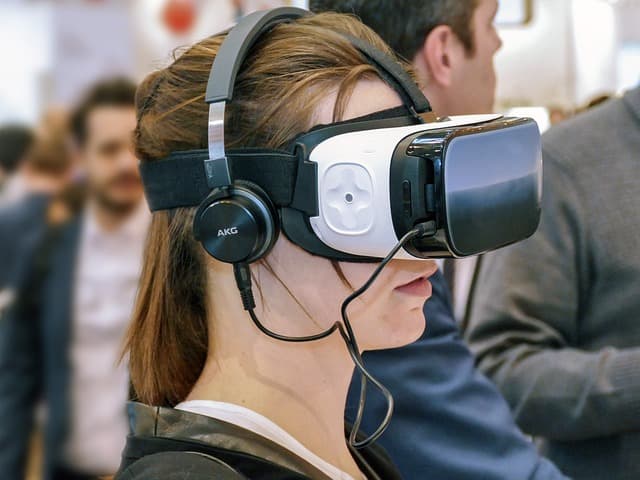
The case for Vyonyx is built on interactivity: real-time visualization and immersive experiences for buyers and stakeholders who want to move through a space, not just look at a still of it. That puts them alongside the smaller group of studios treating Unreal Engine 5 and real-time pipelines as a primary deliverable rather than an add-on.
For a developer building a pre-sales suite or a VR-enabled show unit, that real-time capability changes what’s possible in the room – prospects can walk a unit before a single wall is framed. Pricing sits at the premium tier and is quoted per engagement, consistent with the bespoke nature of interactive builds.
Studios working this way tend to serve fewer, larger engagements rather than a high volume of quick stills, and Vyonyx’s focus reflects that trade-off.
Best suited for: developers and sales teams needing interactive walkthroughs or VR-ready experiences for pre-sales.
5. Mir
Mir’s reputation rests on landscape and urban context: renders where the building is only part of the story and the surrounding terrain, planting, and public realm carry equal weight. That’s a specific skill set, distinct from interior or product-style architectural stills, and it shows in the studio’s portfolio of park-adjacent and waterfront developments.
The firm operates at the premium tier with quote-based pricing, in line with the custom nature of landscape-heavy commissions. Work at this level tends to involve close coordination with landscape architects, not just the building’s design team.
That context-first specialization means Mir often gets pulled in on schemes where the site itself is as much a selling point as the architecture.
Best suited for: projects where landscape integration and site context are central to the pitch.
6. Brickvisual
Brickvisual runs a leaner, faster model built for teams that need solid exterior and interior stills without the full bespoke-studio engagement. The firm prices per image rather than per project, which gives marketing teams a more predictable way to budget a launch campaign with a defined shot list.
That per-image structure suits smaller developers or agencies handling multiple listings at once, where consistency and cost control matter more than a single hero shot. The studio sits at the mid-range tier, positioned as a more accessible entry point into professional-grade architectural imagery.
Teams prioritizing the deepest design-fidelity review or heavy real-time interactivity may find the scope narrower here than at the full-service premium studios.
Best suited for: developers and agencies needing dependable stills across multiple units on a defined, per-image budget.
How to Choose Without Overpaying for the Wrong Fit
Start with what the image actually has to do. A competition entry needs atmosphere and concept strength – something closer to what Luxigon builds. A pre-sales launch needs a buyer to feel like they’ve already walked the unit, which points toward real-time specialists like Vyonyx.
Ask who’s actually reviewing the design fidelity. If nobody on the vendor’s team can read a section drawing and flag a proportion error before it hits the final render, that’s a real risk on a design-led project – it’s worth asking directly how a studio checks renders against the architectural drawings, the way Fortes Vision’s architect-staffed process does.
Ask about capacity before signing. A boutique studio doing flagship work well means fewer concurrent slots, and firms like Mir or The Boundary that take on large masterplan engagements aren’t built for last-minute rush jobs either.
Ask how pricing actually works. Per-image pricing, like Brickvisual uses, suits a volume campaign; per-project or quote-based pricing suits a single hero deliverable where scope shifts as design develops.
Ask what happens after delivery. Does the studio support revisions as the design changes, or is the render a one-shot deliverable? On a live competition or a phased sales launch, that answer matters more than most others.
None of this has a universal right answer. The right studio is the one whose specialty matches the specific image you need to produce, and the deadline you actually have to hit.
Frequently Asked Questions
How much do the best architectural 3D visualization companies charge?
Most premium studios in this category quote per project or on request rather than publishing rate cards, since scope varies with image count, complexity, and revisions. Mid-range studios sometimes price per image, which suits smaller or repeat campaigns. Expect a custom quote after a brief review either way.
How do I choose the best architectural 3D visualization company for a competition entry?
Look at the studio’s actual competition history and whether their style favors atmosphere over strict photorealism, since juries often respond more to mood than technical precision. Check if the team includes architects who can catch design-fidelity errors before final delivery.
What services do the best architectural 3D visualization companies typically provide?
Core offerings usually include photoreal exterior and interior stills, cinematic animation, and 3D walkthroughs. Several premium studios now add real-time and 360° immersive experiences built on engines like Unreal Engine 5, useful for pre-sales suites and interactive presentations.
How long does a typical render take from the best architectural 3D visualization companies?
Timelines depend on complexity, revision rounds, and studio capacity, and premium boutique studios often book weeks out given limited concurrent slots. A single hero still can move faster than a full animation or interactive walkthrough package.
What trends matter for architectural visualization in 2026?
Real-time engines and interactive 360° experiences continue to move from novelty to standard deliverable, especially for pre-sales. Expect more studios to blend cinematic animation with walkthrough-ready assets from a single production pipeline instead of separate builds.
Is hiring one of the best architectural 3D visualization companies worth it for a smaller developer?
It depends on the launch stakes. A premium studio makes sense for a flagship or luxury project where imagery drives pre-sales, while a mid-range, per-image studio can cover a standard multi-unit campaign more efficiently.
What problems do the best architectural 3D visualization companies actually solve?
They close the gap between a design intent and how it reads to someone who isn’t an architect – a buyer, an investor, a jury. Done well, the imagery also catches proportion or material mismatches before they reach construction documents.